Historical sites
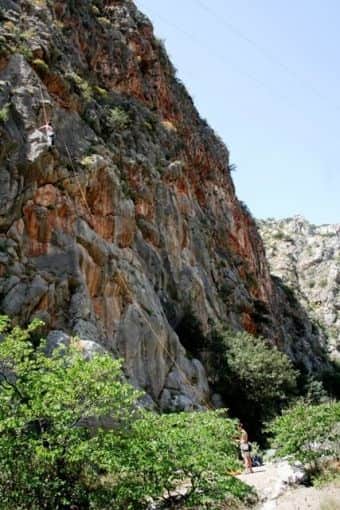
Franchthi cave
Franchthi
cave is located on the northern side of Koilada Bay in the
southwestern Argolid. It was occupied during the Upper Palaeolithic
(40-10,000 B.C.), Mesolithic (9-7,000 B.C.) and Neolithic periods
(7-3,000 B.C.).
During the Palaeolithic and Mesolithic, the cave was inhabited seasonally by mobile hunter-gatherers and fishermen who used tools made of hard and sharp stones such as flint and obsidian. The Mesolithic is an important period in the history of the site marked by key social and economic changes
Thermisia Castle
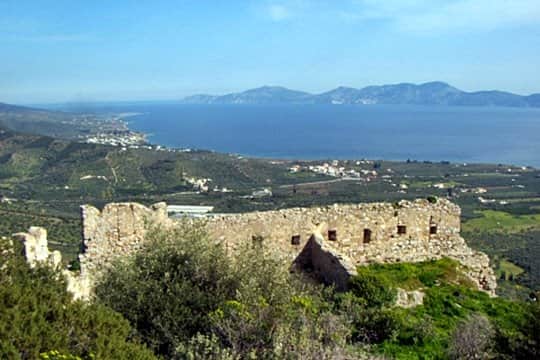
The way the castle was built dates back to the end of the 12th century. Its founder must have been Theodoros Sgouros, father of Leontas Sgouros who proclaimed himself king of an autonomous kingdom during the difficult years of the Fourth Crusade. Leon Sgouros was killed falling with his word from Acrocorinth in 1208 in order not to surrender.
Moni Avgou
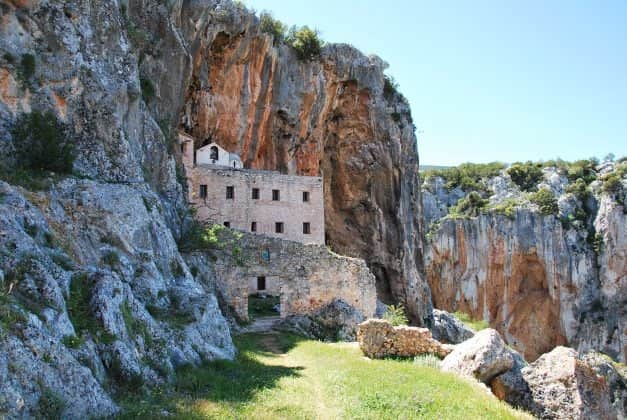
This monastery is one of the many Byzantine treasures of the area. The monastery took an active part in the war of 1821 and was burned by Ibrahim in 1825. It is a small abandoned monastery, with a hermitage and a chapel, which was recently renovated. In a small cave in the eastern part of the rock, one can see the preserved Christian murals that, according to Sotirios Georgios, date back to the 11th century. This remarkable monastery is built into the steep rock where, when looking down, you can see the ravine leading to Iria and in good visibility you even have a view of the sea.
Cave Churches of Didima
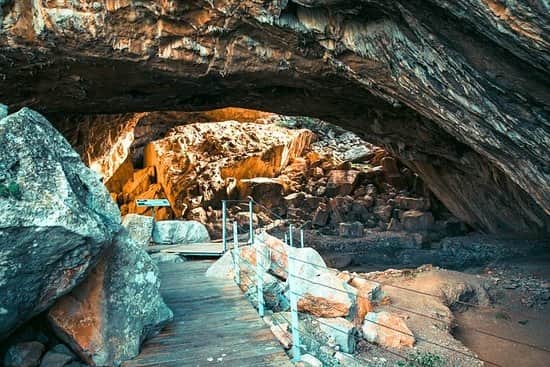
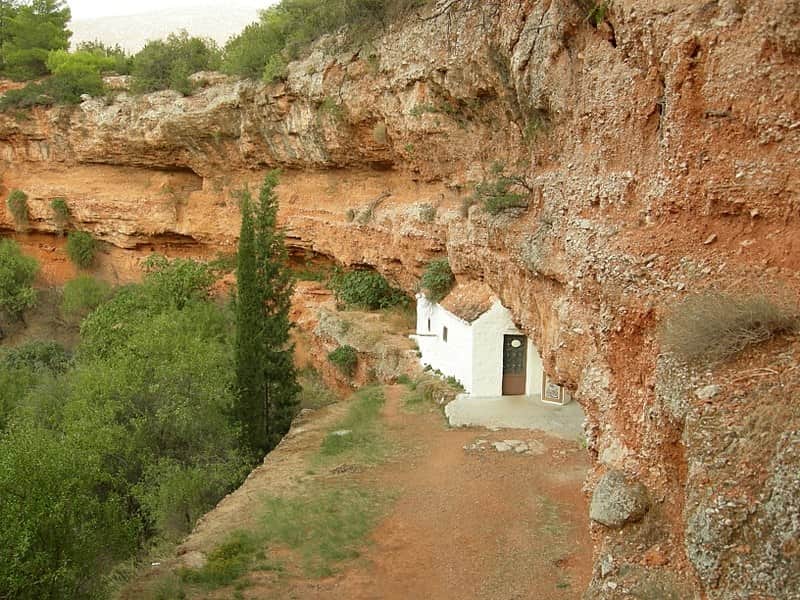
They are called caves, but we really talk of huge craters, the largest having a diameter of 150 and a depth of 80 meters.But it’s the smallest crater that’s most interesting, with its two tiny churches of Byzantine origin, built into the red crater wall, Agios Georgios from the 1200s and the slightly newer Metamorphosis.
You enter the crater through a narrow, whitewashed tunnel, through a hole in the ground, with stairs leading to the crater's interior. The churches are called "Cave Churches of Didima," perhaps it is therefore also the craters often are called caves. Agios Giorgos, the upper church, has fine frescos from the 15th century, the other, Metamorfosis, consists basically of a single wall constructed in front of a sort of cave in the crater. This crater is a very special place to visit;
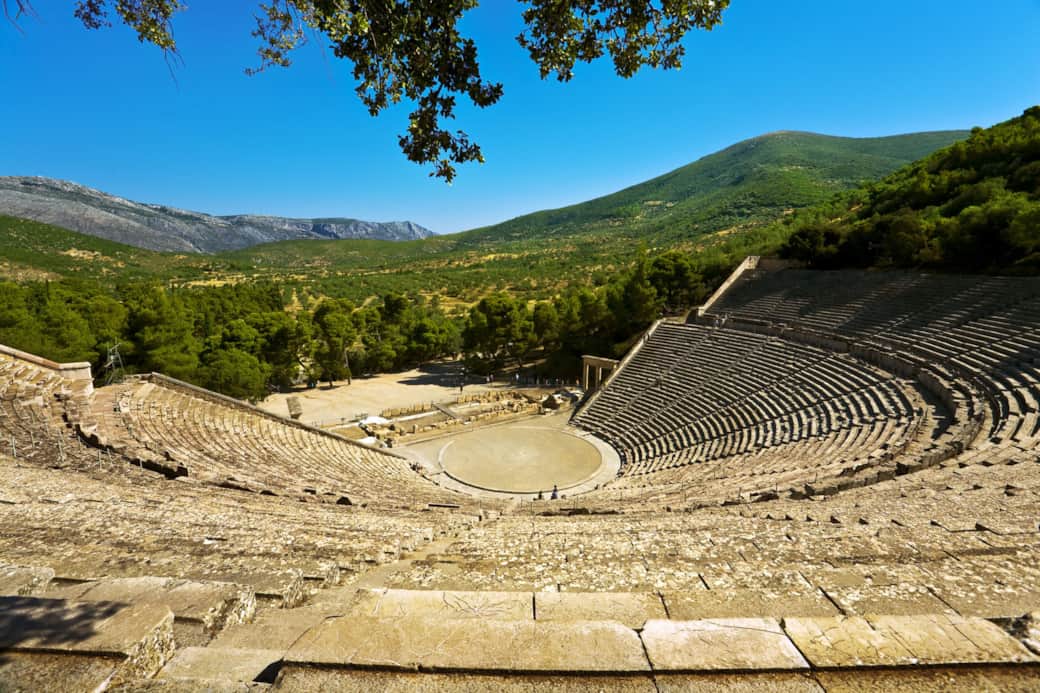
The Ancient Theatre of Epidaurus,
The Ancient Theatre of Epidaurus is regarded as the best preserved ancient theatre in Greece in terms of its perfect acoustics and fine structure. It was constructed in the late 4th century BC.It is situated near the ancient sanctuary of Asklepios, a celebrated healing center of the classical world
For centuries the monument remained covered by a slope of trees until the year 1881, when several excavations took place. Since 1938, when modern dramas started to be presented again in the theatre, it has hosted hundreds of plays. The famous Epidavria Festival, presently Athens Epidaurus Festival, begun in1954 and it is held every summer with famous ancient dramas or modern plays. Over the years, the festival has hosted both Greek and foreign artists.